
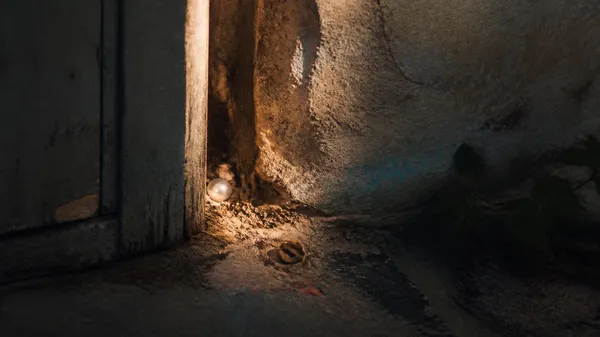
Hidden Treasure
Could it be that our best knowing came when we were humble children? When we were observant, curious, question-askers? When everything around us was difference and we had nothing to prove?
Could it be that our best knowing came when we were humble children? When we were observant, curious, question-askers? When everything around us was difference and we had nothing to prove?
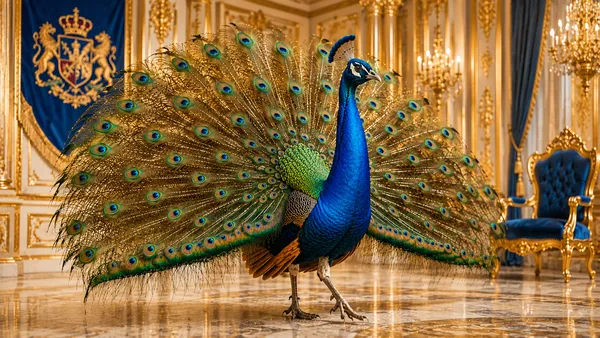
Good will and good faith do not describe the world's systems, structures, and patterns. But they do describe a called-out people set apart for God. It falls to the Church to walk in the light, to shine light, to salt and leaven culture. To be a pleasing aroma that comes with knowing God.
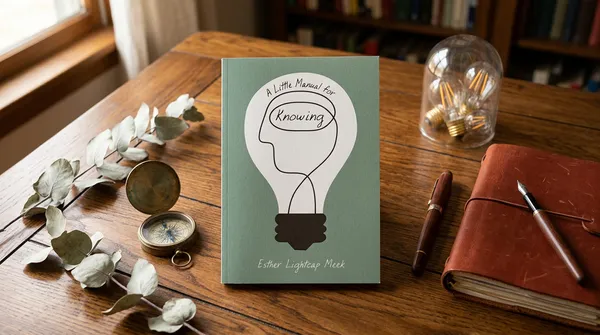
If eternal life is knowing the only true God and the Son, then what does it mean to know? The question led to a book recommendation made by Makoto Fujimura, an acclaimed artist, writer, and speaker. The book is A Little Manual for Knowing, by Esther Lightcap Meek.

Just imagine if our walk with Christ ⏤ representing his kingdom in the world ⏤ were as practiced and pure as Hania Rani’s fingers on the piano keys.
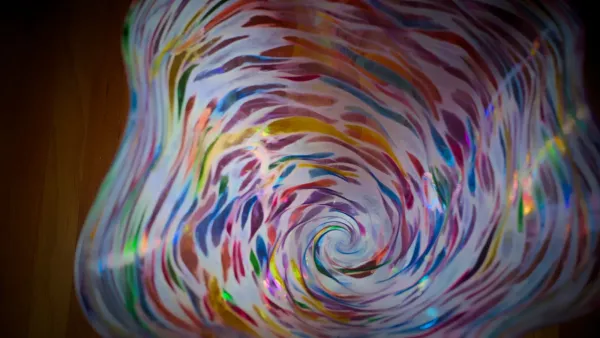
During a spring trip, my wife and I purchased a glass bowl. It's colorful and handmade. When I turn the bowl upside down, nothing falls out. Does that make it empty?