


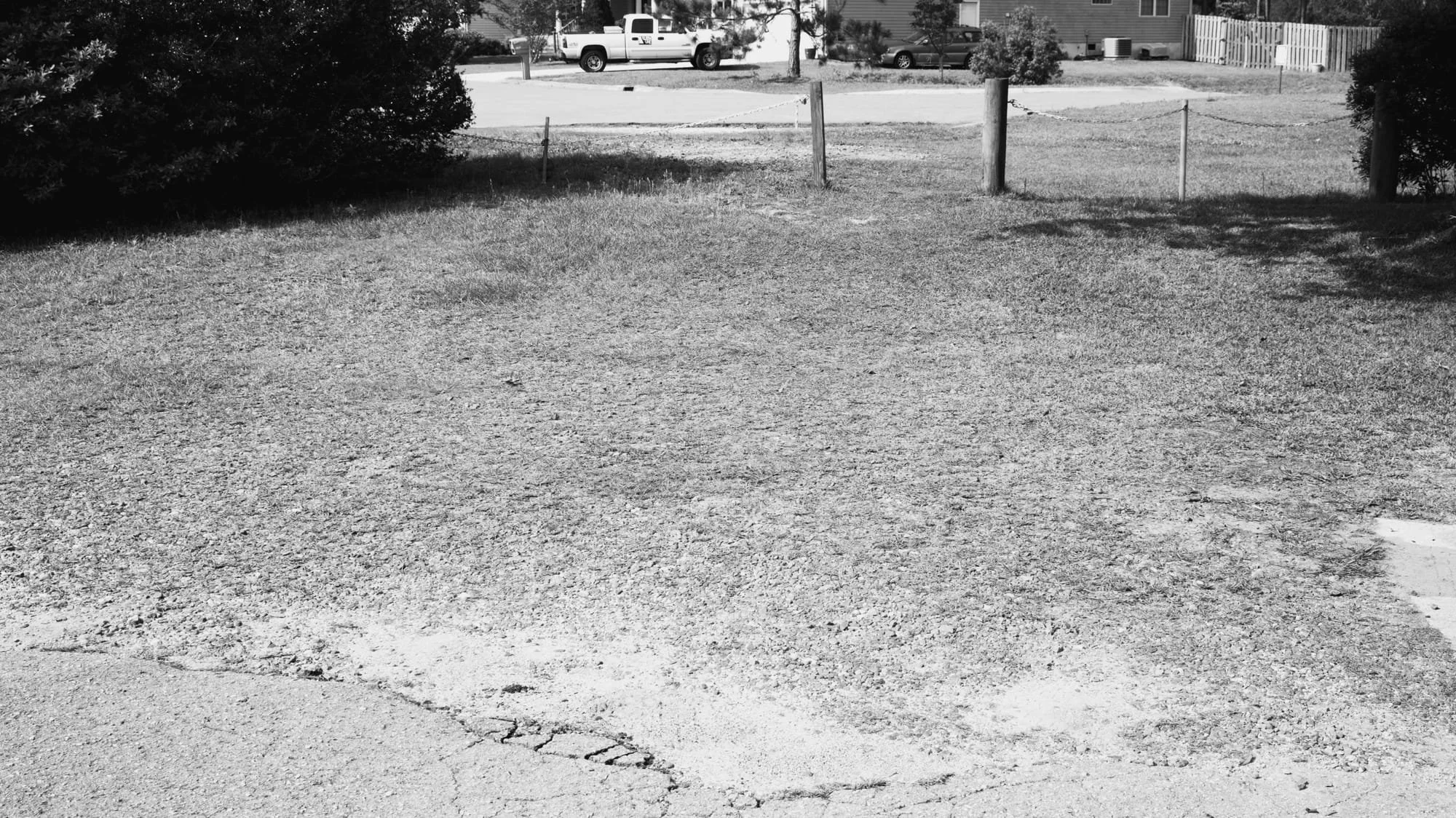
Bewilderness
A dog barked in a distant hollow. Truck tires crunched on a gravel road far away. The woods were peaceful, but I was getting a little panicked.
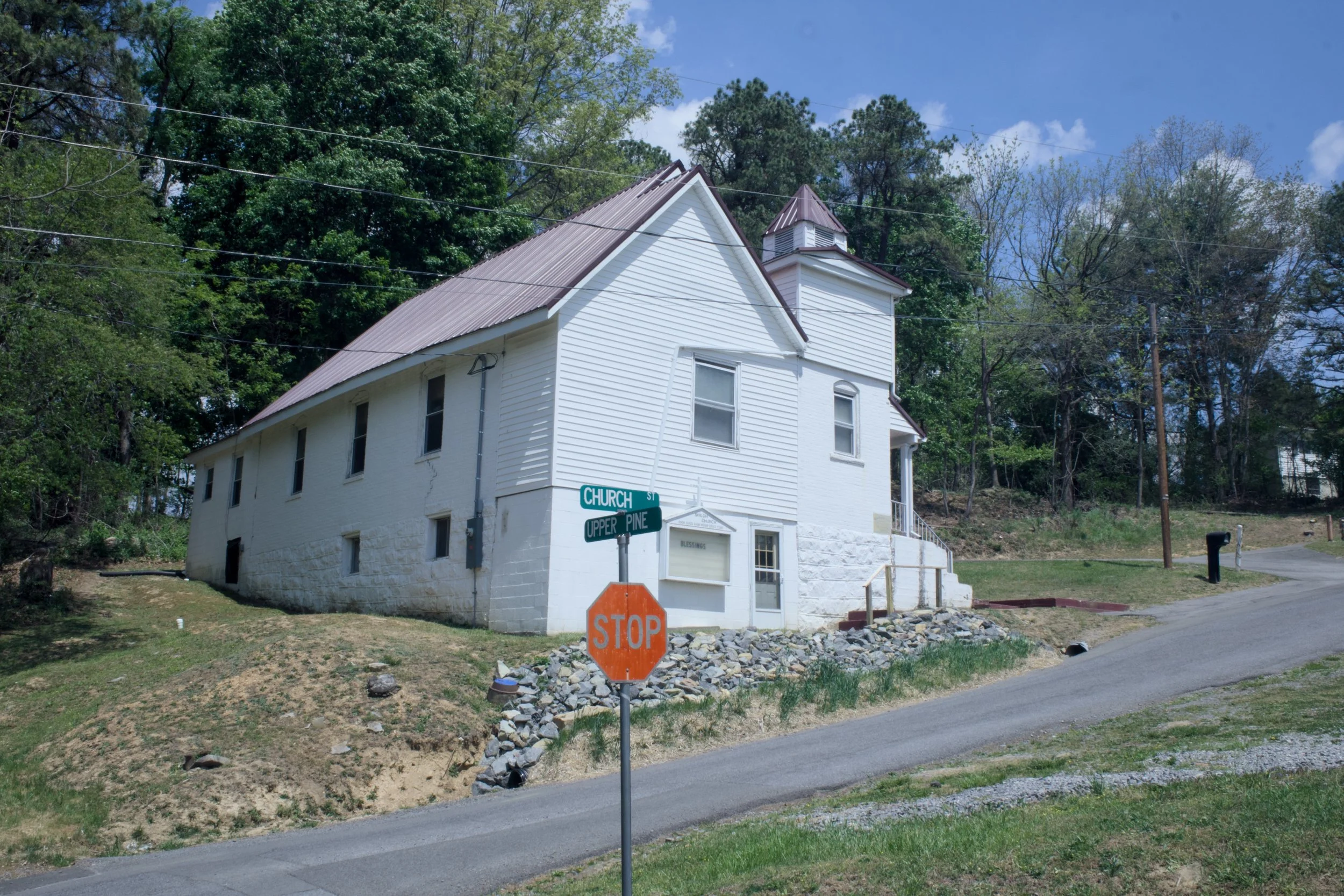
It was the end of a November day that had started well before dawn, frosty and moon-shadowed. I was a teen boy outdoors in the Appalachian forests and fields with my father, uncle, and one of their buddies. Now, several hours later, darkness was settling back in. And I was lost. I knew the woods well but had crossed the wrong ridge, and nothing looked familiar. A dog barked in a distant hollow below. Truck tires crunched on a gravel road far away. The woods were peaceful, but I was getting a little panicked. I backtracked, crossed the correct ridge, and returned to safety. Once I recognized the familiar, I settled down and could navigate the right path.
ISO400 24mm f10 1s
Life is like this. There are a lot of uncertainties. Today, some in my family are facing employment questions. Others are dealing with health issues. Add to these the crosswinds in society. It's unsettling.
Bewildering events remind me to practice the primary spiritual discipline of finding Jesus. Throughout the Gospel narratives, Jesus slips away from people's notice. His parents lost track of him when he stayed behind in the synagogue. Jesus escaped crowds who wanted to make him king or to find a place of solitude with the Father. Outside his tomb, he appeared as a gardener. On the way to Emmaus, he looked like an uninformed traveler. He may even be disguised as the poor, marginalized, hungry, thirsty, or unsheltered. To feel secure and properly oriented, I need to find him. That's always my first task when I am in the wilderness. He might calm the tempest. But even if the storms continue to rage, he will be a secure foundation, provided I remain. Jesus never really leaves. He never forsakes. He's probably looking for me, too. So, where is Jesus?
On Being Neighborly
I recently saw a social media post about the angle of the sun and the risk of sunburn. The main takeaway is that the sun's intensity in April is comparable to that in August. Where I live, August feels different than April; August is hot and humid, while April is generally pleasant.
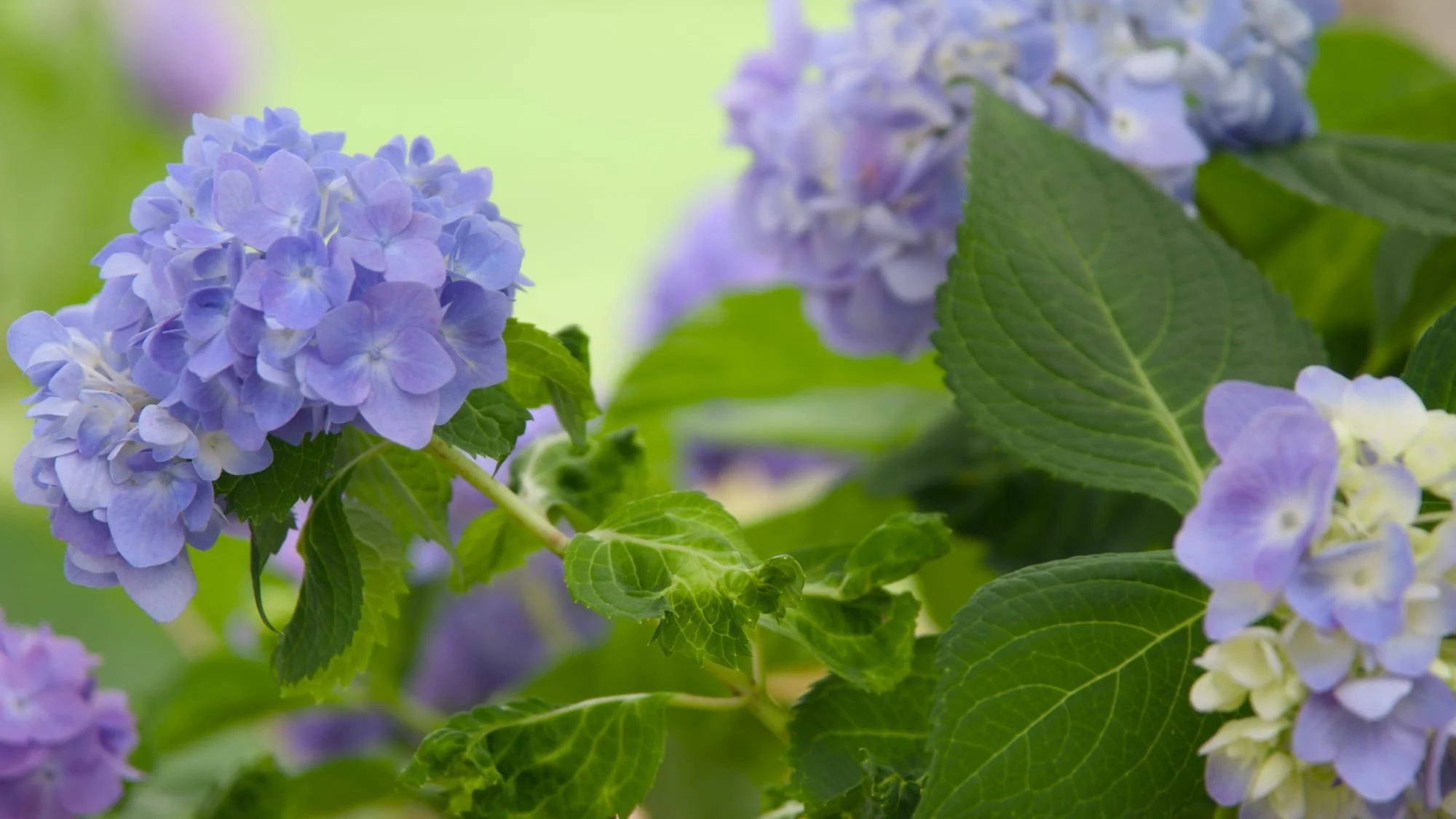
What a beautiful morning it is! The sun is shining, temperatures are in the 60s, and a gentle breeze is blowing. The trees are adorned with leaves in a variety of spring greens.
ISO125 62mm f4 1/1400s
Thread 1
When walking, running, or biking in neighborhoods, you are sure to encounter some annoying driving habits. Everyone's in a rush, seldom watching for the unexpected. I appreciate those drivers who choose patience and concern for others, demonstrating kindness toward their neighbors.
Thread 2
Today, I noticed a man strolling through a nearby neighborhood. Our only connection was my wave. He wore a doctor's mask, which triggered memories of 2020 and the pandemic. I thought, "That mask isn't necessary outdoors!" My nicer self led me to consider reasons he might have for wearing one. Ultimately, I came to, "What's it to me?" He has his reasons, and I'm in no position to judge him or anyone else.
Thread 3
I recently saw a social media post about the angle of the sun and the risk of sunburn. The main takeaway is that the sun's intensity in April is comparable to that in August. Where I live, August feels different than April; August is hot and humid, while April is generally pleasant. Surely, the sunburn risk is greater in August than in April, right? No, it's the same. It may even be greater in April because I am still so pale, and the air feels deceptively cool. This highlights a possible disconnect between feelings and reality. Feelings are valid, but it’s essential to recognize and consider the truth.
Jesus teaches us to love our neighbor. In his kingdom, love is everything. We tend to define who our neighbor is based on feelings. But when someone asks Jesus, "Who is my neighbor?" the Master tells a story about a Samaritan man, an outcast who helps his enemy in extravagant ways.
As I operate on feelings,
Jesus reveals the truth.
That truth is up for my consideration.
What will a step of faith look like?
Twincaretakingmutualsubmissionism
The conversation around men and women is all about asserting worldly power. We need another way to talk about this that honors Kingdom power.
Twincaretakingmutualsubmissionism is a word that won’t ever become ‘word of the year’. It’s so long that I think I’ll abbreviate it TCMS.
Notice that it’s an ‘-ism’. It refers to a philosophy. The word philosophy means the love of wisdom and wisdom is the skillful use of knowledge. So words like this communicate someone’s understanding of lived knowledge. In this case, that ‘someone’ is me.
So I don’t bury the lede too deeply, let me state that I’m using this made-up word to look at gender roles. These days philosophies like complementarianism and egalitarianism have hardened into adversarial camps. Some of the fruits at the extremes of these two views are so distasteful that many resist using the words anymore. Thus my alternative. Let me break it down.
Twin
‘Twin’ is used to convey two ideas:
Unity and duality
We could talk about ‘the twins’ as a unit. “The twins are coming for Christmas”. Likewise, we can refer to male and female together as humanity. But twins are also individuals and both Nature and Scripture honor the distinctness of male and female. So when we say “The twins are coming for Christmas”, we are referring to both a unit and a binary.
Sameness and difference
Our understanding of ‘twins’ includes both sameness and difference. Fraternal twins share parents and a birthday. Identical twins share a genetic sequence. And yet it’s possible to see difference. Even identical twins express their genetics differently. Male and female share the Imago Dei ⏤ God’s image. Both share God’s love and unsurpassable worth. We share the gifts of the Spirit and corresponding responsibility. And we share life in God’s kingdom, without discrimination. And yet we acknowledge that God saw fit to create us male and female. And as God’s creatures, we humbly receive the identity our Creator has given.
Caretaking
When God formed us from the dust of the earth and breathed life into us, he gave us a purpose ⏤ together. This was before Adam and Eve sinned in the garden. Our joint purpose was to rule over the earth as God’s caretakers. We do this as companions; the woman being the man’s helpmeet (‘ezer). Several psalms use this same word ‘ezer to refer to the way God helps us. Women help men care for God’s Creation just as God helps us.
Mutual Submission
So many discussions about gender and roles gravitate toward debates over authority. A Christian understanding of relationships between men and women have to begin with an understanding of people in general.
Oneness
In Jesus’ prayer recorded in John 17, he petitions the Father to make us one, just as the Father and the Son are one ⏤ the Father in the Son and the Son in the Father; the Father in the Son and the Son in his Church. This is the oneness of the Trinity. It is a relationship of pure love.
Power
Philippians 2 shows us that the all-powerful Christ displayed his power by humbling himself, taking on (lowly) human form and surrendering his life by a means of execution intended to maximize cruelty and humiliation. Kingdom power is ‘power under’, not ‘power over’. ‘Power for’, not ‘power against’.
Source
Scripture tells us that woman was formed from man and that men are born of women. Emphasized is a mutuality of source.
When God looks at us, he sees both sameness and difference. But there’s no superior or inferior. When God shows favor at all, it’s to those who are marginalized and powerless ⏤ until they’re not. We need a better conversation around these things ⏤ one that reflects God’s heart.
- love
- Holy Spirit
- humility
- church
- politics & society
- mission & witness
- holiness
- parable & metaphor
- identity
- eternal life
- doubt & deconstruction
- leadership
- grace
- justice
- scripture
- spiritual life
- advent & christmas
- poverty & compassion
- imagination & creativity
- technology & ai
- knowing God
- human dignity
- faith & trust
- incarnation & cross
- kingdom of God
- community
- reconciliation
- spiritual formation
- epistemology
- prayer
- gratitude
- culture
- creation & nature
- discipleship